Elevator Financing in Nigeria: Lease-to-Own and Payment Plans Explained
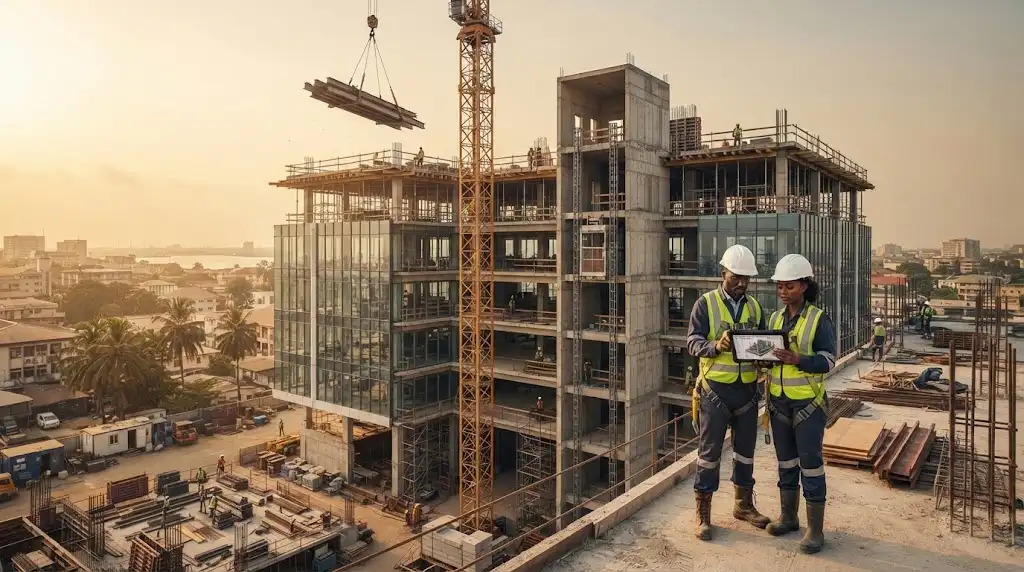
Introduction
The biggest reason Nigerian developers and homeowners delay buying an elevator is not technical. It is cash flow. A single lift represents a significant capital outlay, and most building projects are already stretched across foundation, structure, roofing, and finishing. Paying for the elevator upfront forces many projects to postpone it entirely — or install a cheaper unit they later regret.
Financing solves that problem. Instead of one lump payment, you spread the cost over months while your building starts earning. This guide explains how elevator financing works in Nigeria, what options exist, what lenders look for, and how to decide whether lease‑to‑own, hire purchase, or bank financing suits your project.
Hard fact: An elevator that sits uninstalled for twelve months while a developer saves cash can cost more in delayed rental income than the financing charges would have been. Time is the expensive part.
Why Financing an Elevator Makes Financial Sense
Think about what an elevator does to a building. It unlocks upper floors for tenants. In Lagos, an office building without a lift cannot lease its third floor at full rate. A residential block without a lift loses professional tenants to newer developments.
That means the elevator is not a finishing item — it is a revenue enabler. Every month it is not installed is a month of lost rent on multiple floors.
Hard fact: In commercial buildings across Lagos and Abuja, upper floors typically lease at a premium over ground floor retail but only when served by a lift. Without one, upper floors often sit vacant or lease at a discount.
Financing allows you to install the elevator earlier, start earning from the upper floors sooner, and pay for the lift out of the increased income. In many cases the additional rent covers the monthly instalment entirely.
Bridge: Before you choose a financing structure, you need to understand the three main options available in Nigeria.
The Three Main Financing Options in Nigeria
Elevator financing in Nigeria generally falls into three categories. Each suits a different type of buyer.
Option 1: Lease‑to‑own through the supplier. You pay a deposit, then fixed monthly instalments over an agreed term. The elevator is installed immediately and remains on the supplier's books until the final payment, after which ownership transfers to you. This is the simplest route because there is no bank involved, no lengthy credit committee, and no collateral outside the equipment itself.
Option 2: Hire purchase through a finance partner. Similar in structure, but arranged through a leasing company or bank. Ownership transfers at the end, and in many cases you can claim capital allowances on the asset. Rates depend on your credit profile and the term you choose.
Option 3: Bank asset finance. Your bank finances the elevator as a fixed asset. This is common for larger commercial developers with an existing banking relationship. It typically requires equity contribution, tax clearance, and sometimes additional security.
Each structure has trade‑offs in speed, cost, and paperwork. The right choice depends on whether you value speed, lowest total cost, or balance‑sheet treatment.
Bridge: Whichever route you take, the terms are set by how the lender or supplier assesses your project.
What Lenders and Suppliers Look For
Financing an elevator is financing a fixed asset attached to a building. The risk assessment is different from a cash loan.
Business documentation. For a company, this means CAC registration, tax clearance, and often two years of financial statements. For individuals, means identification, proof of address, and evidence of income or property ownership.
Equity contribution. Most structures require a deposit. This signals commitment and reduces the financier's exposure. The size of the deposit usually affects the monthly instalment and the total cost.
Building and project details. The supplier or lender wants to see the building plan, the number of floors, and confirmation that the shaft is ready or will be ready on schedule. A project with an incomplete shaft is a project at risk of delay.
Track record. Existing property owners with rental income or completed projects are assessed more favourably. First‑time developers may be asked for additional guarantees.
Insurance. The elevator must be insured during the financing period, because it is the asset securing the arrangement. This is usually arranged through the supplier.
Hard fact: Under any lease or hire purchase structure, the elevator remains the financier's asset until the final instalment. This means you cannot sell, remove, or modify it without consent during the term.
How Lease‑to‑Own Works in Practice
Lease‑to‑own is the most common structure for Nigerian buyers, so it is worth walking through step by step.
Step 1: Application and assessment. You provide your details, building plans, and project timeline. The supplier reviews feasibility and creditworthiness.
Step 2: Approval and deposit. Once approved, you pay a deposit. This is typically a meaningful portion of the total value but far less than the full price.
Step 3: Installation. The elevator is delivered, installed, tested, and commissioned. You start using it immediately — before it is fully paid for.
Step 4: Monthly instalments. You pay a fixed amount each month over the agreed term. The instalment includes the balance of the equipment cost plus the financing charge.
Step 5: Ownership transfer. After the final payment, ownership documents are transferred to you. You now own the elevator outright.
Hard fact: During the financing term, the supplier typically handles or approves maintenance. This is not just administrative — it protects the asset and ensures safety compliance is maintained throughout.
Bridge: Once you understand how the structure works, the next question is whether the numbers justify it.
Is It Worth It? Running Your Own Numbers
We do not publish fixed financing figures because rates, deposits, and terms are project‑specific. But you can evaluate any offer yourself with three simple questions.
Question 1: What is the total cost of the asset over the term? Add the deposit and all instalments together. Compare that total to the outright purchase price. The difference is the cost of financing.
Question 2: What income does the elevator unlock? If the lift allows you to lease an additional floor, or lease existing floors at a higher rate, that income is the return on the decision. Compare the additional annual income to the annual instalment.
Question 3: What is the cost of waiting? If delaying the elevator by a year means twelve months of vacant upper floors, that lost income is the real cost of not financing.
When you lay the three side by side, most commercial projects in Lagos and Abuja find that financing is clearly the better route. For smaller residential projects, the decision depends on how quickly the property would otherwise be sold or rented.
Hard fact: Elevators financed through lease‑to‑own are usually commissioned and certified before the first instalment is due, meaning the asset is productive from month one.
Common Mistakes to Avoid
Financing is straightforward when done properly. These are the mistakes we see most often.
Mistake 1: Financing the equipment but forgetting the civil works. The lift is financed, but the shaft, pit, and electrical works are not. Budget for those separately, or choose a package that includes them.
Mistake 2: Choosing the longest term to minimise instalments. A longer term means lower monthly payments but a higher total cost. Balance affordability today against the total you will pay.
Mistake 3: Ignoring maintenance during the term. Many financing structures include maintenance. If yours does not, budget for it separately. Skipping maintenance voids warranties and puts safety at risk.
Mistake 4: Not confirming ownership terms in writing. Confirm exactly when ownership transfers, what happens if you pay early, and what the process is at the end of the term.
Hard fact: Early repayment terms vary widely. Some structures allow early settlement with a small discount, others charge the full financing cost regardless. Confirm this before signing.
Bridge: Before you commit to any arrangement, here is how to prepare your application.
How to Prepare for Your Financing Application
Preparation shortens approval time considerably. Have these ready before you apply.
- Building plans showing the intended shaft and machine room or MRL position.
- Photographs of the site and the current construction stage.
- Company documents — CAC certificate, tax clearance, and recent bank statements for a business application.
- Identification and proof of address for individual applicants.
- Project timeline showing when the shaft will be ready and when you need the lift commissioned.
- Maintenance preference — whether you want maintenance bundled into the financing or handled separately.
With these in hand, assessment typically moves much faster. Missing documents are the single biggest cause of delay in financing approvals.
Hard fact: Applications submitted with complete documentation and a clear project timeline are assessed significantly faster than incomplete submissions, which often sit pending while documents are requested one at a time.
Frequently Asked Questions
Can I finance an elevator as an individual, or only as a company?
Both are possible. Individuals financing home lifts are assessed on personal income, property ownership, and identification. Companies financing commercial lifts are assessed on business documentation and project viability.
Do I need to own the building to finance an elevator?
Not always, but ownership or a long‑term lease strengthens your application considerably. If you are a tenant installing a lift, the structure becomes more complex and requires the landlord's consent.
What happens if I miss an instalment?
Terms vary, but most structures include a grace period followed by a penalty charge. Persistent default can lead to repossession of the equipment. It is important to choose an instalment you can comfortably sustain.
Can financing include installation and civil works?
Some packages bundle equipment, installation, and maintenance into a single financed amount. Others finance equipment only. Confirm exactly what is included before signing.
Is the elevator insured during the financing period?
Yes. Insurance is normally required for the duration of the financing, since the equipment secures the arrangement. This is typically arranged through the supplier or financier.
Can I pay off the financing early?
Many structures allow early settlement, sometimes with a discount on remaining charges. Confirm the exact terms in writing before committing.
Hard fact: All financed elevators must still pass SON certification and any applicable local inspection before operation — financing does not change the compliance requirement.
Talk to Us About Financing Your Elevator
An elevator should not wait until the building is finished. Financing lets you install early, start earning from upper floors sooner, and spread the cost over a period your cash flow can sustain.
We do not publish rates and instalment figures because every structure is different — deposit, term, project type, and credit profile all affect the offer. What we can do is walk you through your options, tell you what your project qualifies for, and give you a written proposal you can compare against your own numbers.
Ready to explore financing for your project? Contact Dove Lifts and we will talk you through lease‑to‑own, hire purchase, and bank financing options for your building — with no obligation.