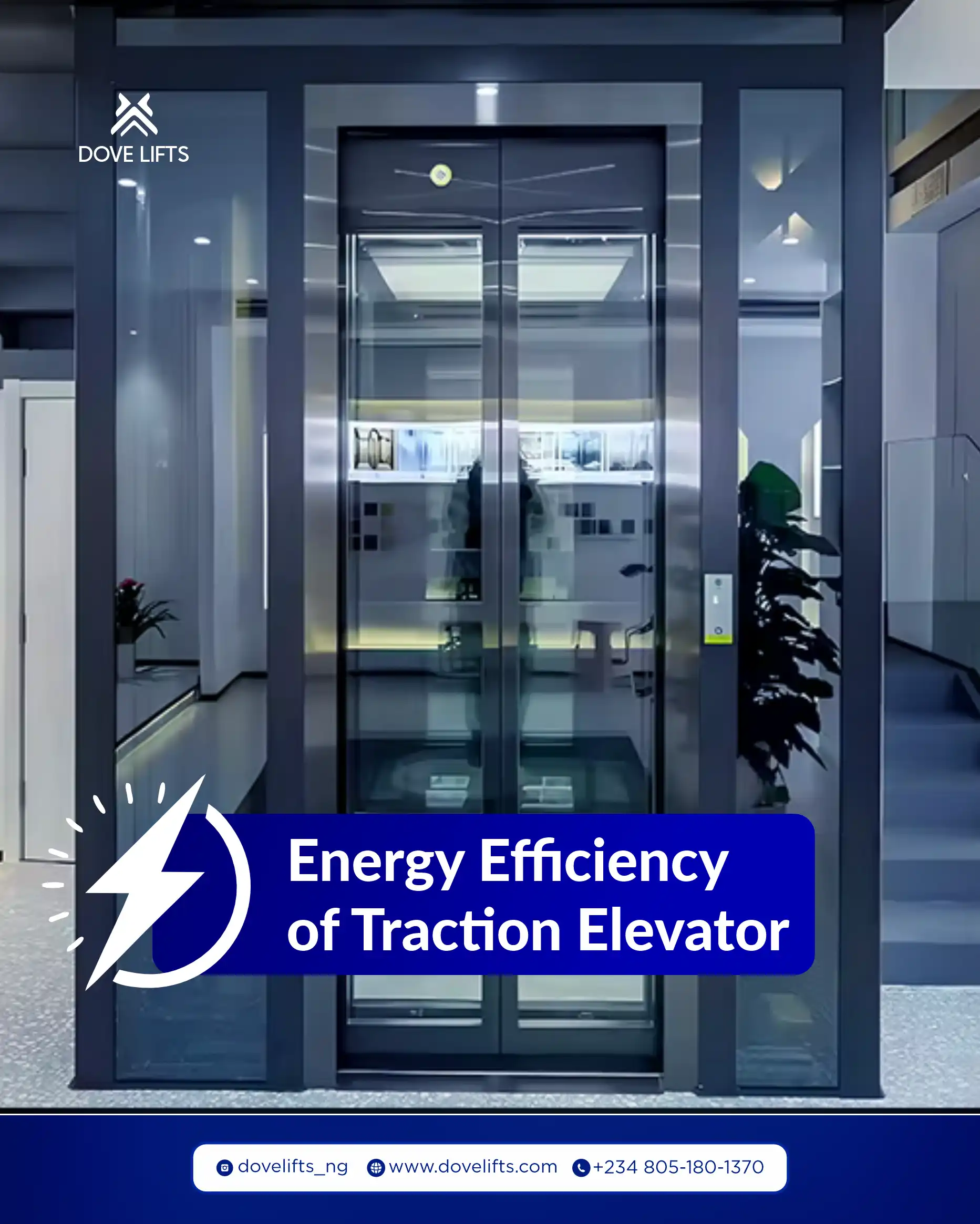
In the competitive landscape of Nigerian real estate, the definition of luxury extends beyond marble floors and high-end fittings. It encompasses seamless functionality, effortless accessibility, and an elevated living experience. For property developers and investors, the vertical transportation system is a critical component that defines the daily comfort of residents. Selecting the right elevator for luxury apartments Nigeria is not merely a technical requirement; it is a strategic decision that impacts property value, resident satisfaction, and long-term operational efficiency.
Elevator selection must be integrated into the early stages of architectural planning. Treating it as an afterthought can lead to compromised shaft dimensions, inefficient traffic flow, and costly structural modifications. This guide provides a comprehensive overview of the elevator systems best suited for premium residential developments in Nigeria, focusing on traction and Machine Room Less (MRL) technologies. By understanding the technical nuances, capacity requirements, and aesthetic possibilities, developers can make informed choices that align with their project’s vision and budget.
What Is the Best Elevator for Luxury Apartments in Nigeria?
There is no single "best" elevator for every building. The optimal choice depends on several variables, including building height, number of units, shaft availability, and budget. However, for multi-storey luxury apartment complexes, two primary technologies dominate the market: traction elevators and Machine Room Less (MRL) elevators.
Traction elevators use ropes and counterweights driven by an electric motor. They are known for their smooth ride, high speed, and ability to serve many floors efficiently. MRL elevators are a variation of traction technology where the motor and controller are housed within the shaft top, eliminating the need for a separate machine room. Both systems offer distinct advantages. Geared traction elevators are robust and suitable for mid-rise buildings, while gearless traction systems provide superior smoothness and energy efficiency for taller structures. The decision should be based on a thorough analysis of the building’s specific requirements rather than general trends.
Why Are Traction Elevators Suitable for Luxury Apartment Buildings?
Traction elevators are the industry standard for medium to high-rise residential buildings for good reason. Their primary advantage lies in performance and comfort. In a luxury setting, residents expect a quiet, vibration-free journey. Traction systems, particularly those with variable frequency drives (VFDs), offer precise control over acceleration and deceleration, ensuring a gentle start and stop.
These elevators are highly scalable. Whether a building has ten floors or thirty, traction technology can be configured to meet the demand. They offer a wide range of passenger capacities, from compact six-person cars to spacious thirteen-person cabins capable of accommodating stretchers or large furniture items. Furthermore, traction elevators are energy-efficient. The counterweight system balances the load, meaning the motor works less hard than in hydraulic systems. For developers concerned with long-term operating costs and green building certifications, traction elevators present a compelling case.
Are MRL Elevators a Good Choice for Luxury Apartments?
Machine Room Less (MRL) elevators have gained significant popularity in modern residential construction due to their space-saving design. By integrating the machinery into the hoistway, MRL systems free up valuable floor space that would otherwise be dedicated to a machine room. This extra space can be converted into additional lettable area, storage, or amenities, enhancing the building’s overall profitability.
MRL elevators are particularly suitable for low to mid-rise luxury apartments where speed requirements are moderate. They offer the same smooth ride quality as traditional traction elevators but with a smaller footprint. However, it is important to note that "machine room less" does not mean "maintenance-free." Access panels are required for technicians to service the equipment, and adequate ventilation must be provided to prevent overheating. When planned correctly, MRL elevators allow for greater architectural flexibility and can be seamlessly integrated into sleek, contemporary building designs. Dove Lifts offers advanced MRL solutions that balance spatial efficiency with high performance.
What Elevator Capacity Is Suitable for Luxury Apartments?
Determining the correct elevator capacity is a scientific process known as traffic analysis. It involves calculating the expected number of passengers during peak hours, such as mornings and evenings. Under-sizing an elevator leads to long wait times and overcrowding, which detracts from the luxury experience. Over-sizing results in unnecessary capital expenditure and higher energy consumption.
For luxury apartments, a common standard is a 13-passenger (1000kg) or 16-passenger (1250kg) cabin. This size allows for comfortable movement of residents, guests, and occasional large items. The number of elevators required depends on the total number of units and floors. A general rule of thumb is one elevator per 15–20 units for mid-rise buildings, but this varies significantly based on building height and unit size.
Elevator Planning Considerations by Building Type
| Building Type | Floors | Recommended System | Typical Capacity | Key Consideration |
|---|---|---|---|---|
| Low-Rise Luxury | 4–7 | MRL Traction | 6–8 Passengers | Space saving, quiet operation |
| Mid-Rise Premium | 8–15 | Geared/Traction | 10–13 Passengers | Balance of speed and cost |
| High-Rise Exclusive | 16+ | Gearless Traction | 13–16+ Passengers | High speed, advanced grouping |
Note: These are general guidelines. A professional traffic study is essential for accurate sizing.
What Elevator Features Should Luxury Apartment Developers Prioritise?
In the luxury segment, aesthetics and user experience are paramount. Developers should prioritise features that enhance comfort and visual appeal. Cabin interiors offer a canvas for customisation. Options include stainless steel finishes, mirrored walls, premium flooring materials like marble or hardwood, and ambient LED lighting. The control panel should be intuitive and stylish, with clear floor indicators.
Beyond aesthetics, functional features are critical. Smooth door operations with sensitive safety edges prevent accidents and ensure a quiet environment. Emergency communication systems must be reliable, connecting directly to security or monitoring centres. Accessibility is also a key consideration. Elevators should be designed to accommodate wheelchairs and elderly residents, with appropriate button heights and handrails. Energy-efficient modes, such as standby lighting and fan shut-off, contribute to sustainability without compromising comfort.
How Much Does an Elevator for Luxury Apartments Cost in Nigeria?
The cost of an elevator for luxury apartments Nigeria varies widely based on several factors. It is impossible to provide a fixed price without detailed project specifications. Key cost drivers include:
- Travel Height: More floors require longer ropes, more cables, and potentially more powerful motors.
- Capacity and Speed: Larger cabins and higher speeds increase material and engineering costs.
- Technology: Gearless systems are typically more expensive than geared ones but offer better performance.
- Customisation: Premium interior finishes, glass walls, or custom lighting add to the cost.
- Installation Complexity: Difficult site access or structural reinforcements can increase installation fees.
- Number of Units: Bulk purchases may offer some economies of scale, but each shaft requires individual installation.
Developers should request detailed quotations based on architectural drawings. It is crucial to look beyond the initial purchase price and consider the total cost of ownership, including maintenance, energy consumption, and spare parts availability.
How Should Developers Choose an Elevator Supplier in Nigeria?
Choosing the right supplier is as important as choosing the right equipment. Developers should evaluate potential partners based on the following criteria:
- Technical Expertise: Does the supplier have experience with traction and MRL systems? Can they provide references for similar projects?
- Product Quality: Are the components sourced from reputable manufacturers? Is the technology proven and reliable?
- After-Sales Support: Is there a dedicated service team? What is the response time for emergencies? Are spare parts readily available in Nigeria?
- Compliance: Does the equipment meet international safety standards and local regulatory requirements?
- Transparency: Are the quotations clear, with no hidden costs? Are warranty terms clearly defined?
Avoid selecting a supplier solely based on the lowest bid. Cheap installations often lead to higher maintenance costs and frequent breakdowns, damaging the building’s reputation. Dove Lifts emphasises quality, reliability, and comprehensive support, ensuring that developers receive a solution that stands the test of time.
Why Consider Dove Lifts for Luxury Apartment Projects in Nigeria?
Dove Lifts is a trusted provider of elevator solutions in Nigeria, specialising in traction and MRL systems for residential and commercial applications. Our offerings are designed to meet the demanding standards of luxury developments. We provide a range of passenger elevators that combine technical precision with aesthetic versatility.
Our team works closely with architects and developers to tailor solutions to specific project needs. Whether you require a compact MRL elevator for a boutique residence or a high-speed traction system for a towering complex, we have the expertise to deliver. We offer customisation options for cabin interiors, allowing you to align the elevator design with your building’s architectural theme. By choosing Dove Lifts, you gain a partner committed to quality, safety, and long-term performance.
What Should Developers Prepare Before Requesting an Elevator Quotation?
To receive an accurate and useful quotation, developers should prepare the following information:
- Project Location: Specific city and site conditions.
- Building Plans: Architectural drawings showing shaft dimensions, pit depth, and overhead clearance.
- Traffic Data: Number of floors, units per floor, and estimated resident population.
- Performance Requirements: Desired speed, capacity, and number of elevators.
- Aesthetic Preferences: Preferred materials, colours, and lighting styles for the cabin.
- Timeline: Expected construction and installation schedule.
Early consultation with an elevator supplier can help identify potential design issues and optimise shaft layouts, saving time and money during construction.
Frequently Asked Questions About Elevators for Luxury Apartments in Nigeria
1. Which elevator is best for luxury apartments in Nigeria? Traction and MRL elevators are generally the best choices due to their smooth ride, efficiency, and suitability for multi-storey buildings. The specific choice depends on building height and space availability.
2. Are traction elevators suitable for residential apartment buildings? Yes, traction elevators are highly suitable for residential buildings. They offer excellent comfort, reliability, and energy efficiency, making them ideal for luxury apartments.
3. Is an MRL elevator better for luxury apartments? MRL elevators are excellent for saving space and reducing construction costs. They are ideal for low to mid-rise luxury apartments where a separate machine room is not feasible or desired.
4. How many elevators does a luxury apartment building need? This depends on the number of units and floors. A traffic analysis is required to determine the exact number, but a common ratio is one elevator per 15–20 units for mid-rise buildings.
5. How much does a luxury apartment elevator cost in Nigeria? Costs vary based on capacity, speed, floors, and finishes. Developers should request a project-specific quotation for accurate pricing.
6. What elevator capacity is suitable for a 10-storey apartment building? A 10–13 passenger capacity is often suitable for a 10-storey building, but this should be confirmed through traffic analysis based on the number of units.
7. Can elevator cabin interiors be customised for luxury buildings? Yes, most modern elevators offer extensive customisation options for flooring, wall finishes, lighting, and control panels to match luxury design standards.
8. How often should apartment elevators be maintained? Regular preventive maintenance is recommended at least once a month to ensure safety, reliability, and longevity of the equipment.
Conclusion
Selecting the right elevator for luxury apartments Nigeria is a pivotal decision that influences the success of a residential development. By prioritising traction or MRL systems, focusing on passenger comfort, and partnering with a reputable supplier like Dove Lifts, developers can ensure their projects meet the highest standards of quality and convenience. Early planning, accurate traffic analysis, and attention to detail in design and maintenance will result in a vertical transportation system that enhances property value and resident satisfaction. Contact Dove Lifts today to discuss your project requirements and receive a tailored elevator proposal.