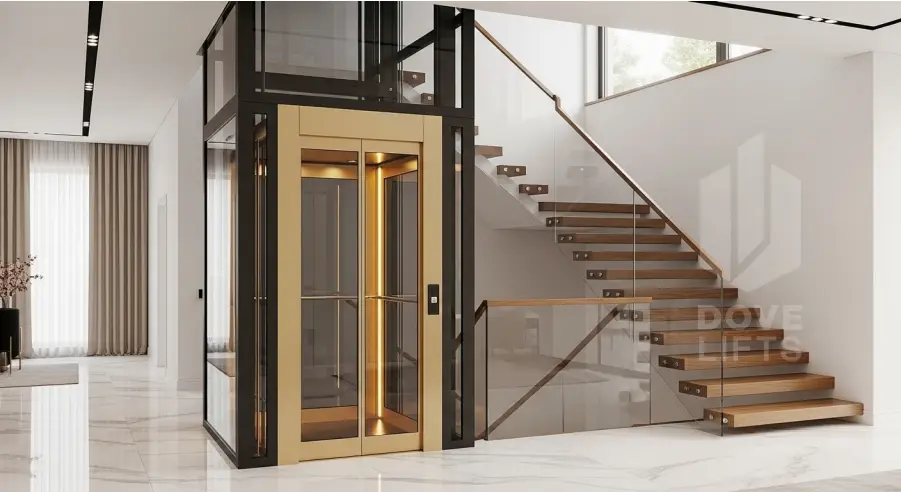
The best elevator for an apartment building in Ghana depends on floors, residents, traffic patterns, capacity needs, available space, and budget. MRL and traction passenger elevators are common choices for residential buildings in Accra and Kumasi. Professional assessment ensures the right system matches your building's specific requirements and long-term performance needs.
Key Takeaways:
- MRL and traction elevators suit different apartment building heights and traffic demands
- Capacity should accommodate peak resident usage and visitor traffic
- Space requirements vary by elevator type and building design
- Professional maintenance ensures reliability for multiple residents
- Early planning during construction simplifies installation and reduces costs
What Is the Best Elevator for an Apartment Building in Ghana?
Selecting the right apartment building elevator requires evaluating multiple factors: number of floors, resident count, passenger traffic patterns, peak usage periods, required capacity, available shaft space, power supply, budget constraints, and long-term maintenance considerations. For mid-rise and high-rise apartments in Accra, Kumasi, and Takoradi, MRL elevators and traction passenger elevators are commonly specified due to their efficiency, reliability, and space optimization.
MRL vs Traction Elevator for Apartment Buildings
| Feature | MRL Elevator | Traction Elevator |
|---|---|---|
| Space Requirements | Compact, machine within shaft | Requires separate machine room |
| Machine Room | Not required | Required |
| Capacity | 450kg to 1,600kg | 630kg to 2,000kg+ |
| Speed | Up to 2.5 m/s | Up to 4.0 m/s+ |
| Installation | Faster, simpler | More complex |
| Maintenance | Accessible components | Machine room access needed |
| Best For | Low to mid-rise apartments | Mid to high-rise buildings |
How Many People Should an Apartment Elevator Carry?
Elevator capacity depends on the number of apartments, average residents per unit, total floors, and expected traffic flow. A typical residential building elevator for apartments ranges from 630kg (8 persons) to 1,000kg (13 persons). Larger luxury developments in Accra may require 1,600kg capacity to accommodate furniture moves and higher resident density. Calculate based on peak periods when multiple residents travel simultaneously.
How Elevator Traffic Affects Apartment Building Performance
Apartment buildings experience distinct traffic patterns: morning departures, evening returns, weekend visitor peaks, and occasional furniture or goods movement. Unlike offices with concentrated rush hours, apartment elevator traffic is more distributed but can intensify during shift changes in urban areas like Accra and Kumasi. Proper elevator for apartment building selection accounts for these patterns to prevent resident frustration and excessive wait times.
What Elevator Speed Is Suitable for an Apartment Building?
Elevator speed selection depends on building height, travel distance, number of stops, and resident expectations. Low-rise buildings (up to 5 floors) typically use 1.0 to 1.6 m/s. Mid-rise apartments (6-10 floors) benefit from 1.6 to 2.5 m/s. High-rise residential towers require 2.5 m/s or higher. Faster speeds reduce round-trip time but increase elevator installation complexity and cost.
How Much Space Does an Apartment Elevator Need?
Space requirements vary by elevator type. MRL systems need minimal overhead and no separate machine room, making them ideal for space-constrained projects in Ghanaian cities. Typical cabin dimensions range from 1.1m x 1.4m for 630kg to 1.4m x 2.1m for 1,000kg capacity. Shaft dimensions must accommodate cabin size, door configuration, pit depth (1.2m to 1.5m), and overhead clearance (3.5m to 4.5m). Early architectural coordination prevents costly modifications.
How Much Does an Apartment Building Elevator Cost?
Apartment elevator pricing varies significantly based on elevator type, capacity, speed, number of stops, cabin finishes, installation complexity, building preparation work, electrical requirements, and ongoing elevator maintenance contracts. MRL systems generally cost less than traditional traction elevators due to reduced construction requirements. Developers in Ghana should budget for both initial elevator installation and long-term servicing. Request project-specific quotations rather than relying on generic pricing.
Elevator Reliability and Maintenance for Apartment Buildings
When an apartment building elevator serves dozens of residents daily, reliability becomes critical. Preventive maintenance, professional servicing, genuine spare parts availability, and responsive technical support prevent costly breakdowns and resident complaints. Establish a structured elevator maintenance program with scheduled inspections, lubrication, component testing, and documentation. Dove Lifts provides comprehensive maintenance contracts tailored to residential building needs across Ghana.
New Apartment Building vs Existing Building
Installing an elevator for apartment building during new construction allows optimal shaft placement, structural reinforcement, and electrical integration. Retrofitting into existing buildings in Accra or Kumasi requires structural assessment, space availability verification, and potential modifications to floors and ceilings. Both scenarios benefit from early consultation with elevator specialists to ensure compliance, safety, and cost efficiency.
What Should You Check Before Buying an Apartment Elevator?
- Building height and number of floors
- Total apartments and expected residents
- Peak traffic demand patterns
- Required elevator capacity
- Appropriate elevator speed
- Available shaft space and dimensions
- Power supply requirements
- Safety features and certifications
- Warranty coverage
- Elevator maintenance program
- After-sales technical support
Why Choose Dove Lifts?
Dove Lifts specializes in passenger elevator solutions for residential and commercial properties across Ghana. Our team provides professional project assessment, elevator selection guidance, technical planning, quality elevator installation, and reliable ongoing support. We understand the unique demands of apartment developments in Accra, Kumasi, and Takoradi, delivering systems that balance performance, reliability, and value.
Frequently Asked Questions
1. What is the best elevator for an apartment building in Ghana? The best choice depends on building height, resident count, and traffic. MRL elevators suit low to mid-rise apartments, while traction elevators work well for taller buildings.
2. What elevator capacity is suitable for apartments? Most apartment buildings use 630kg to 1,000kg capacity. Larger developments may require 1,600kg for higher traffic and furniture movement.
3. Is an MRL elevator good for an apartment building? Yes, MRL elevators are excellent for low to mid-rise apartments, offering space efficiency, lower installation costs, and reliable performance.
4. Is a traction elevator suitable for apartments? Traction elevators are ideal for mid to high-rise apartment buildings requiring higher speeds and greater capacity.
5. How much does an apartment elevator cost? Costs vary by type, capacity, speed, finishes, and installation complexity. Request a project-specific quotation for accurate pricing.
6. How much space is required? Space depends on capacity and type. MRL systems need less space with no machine room. Typical shafts range from 1.5m x 1.5m to 2.2m x 2.4m.
7. Can an elevator be added to an existing apartment building? Yes, but it requires structural assessment, space verification, and potential modifications. Professional consultation is essential.
8. How often should an apartment elevator be maintained? Monthly preventive maintenance is recommended for apartment buildings to ensure reliability, safety, and compliance with service standards.
Ready to Select the Right Elevator for Your Apartment Building in Ghana?
Contact Dove Lifts today for a tailored elevator assessment, technical consultation, or project quotation. Our experts will help you choose the optimal system for your residential development in Accra, Kumasi, or anywhere in Ghana.