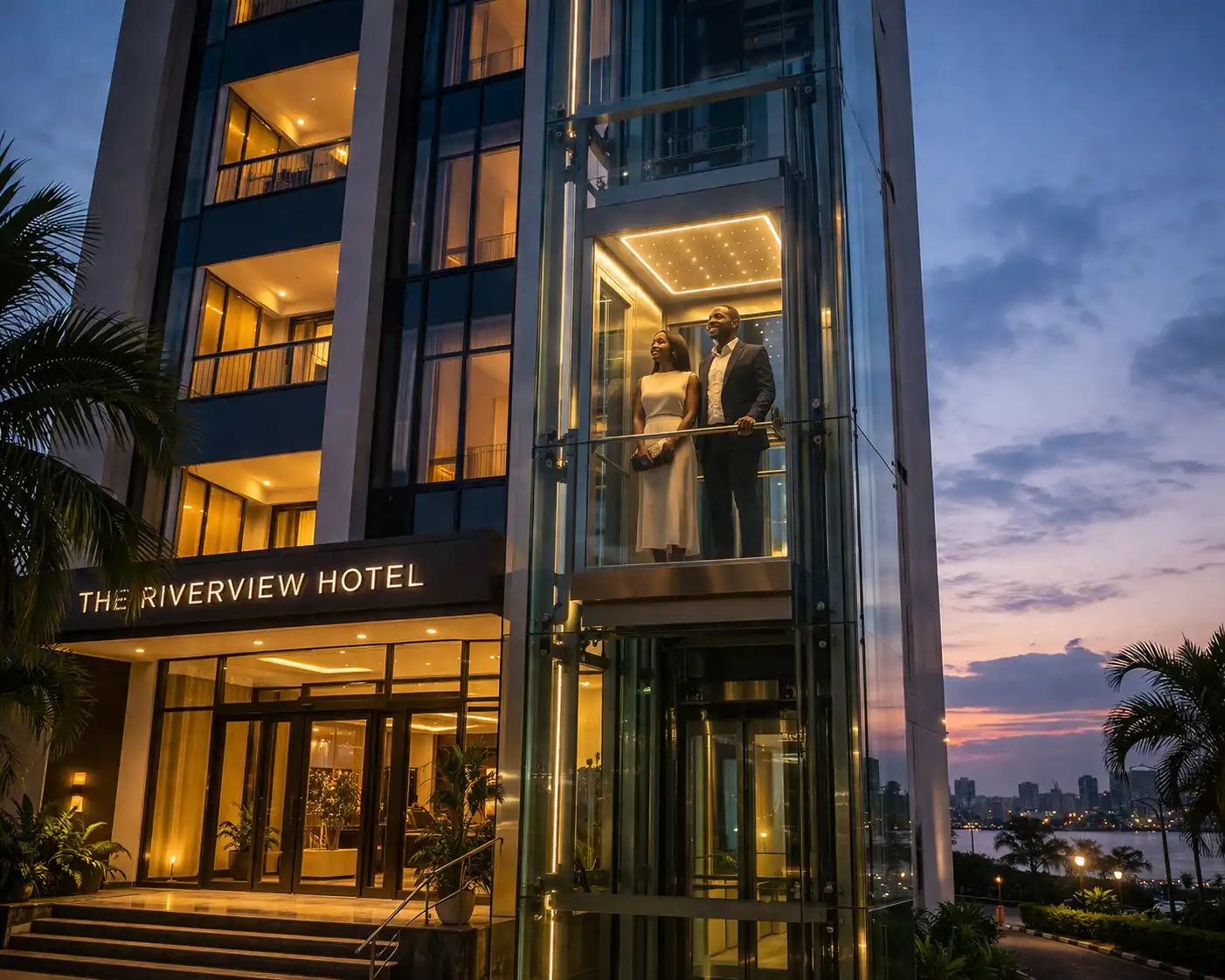
Choosing the Best Elevator Company in West Africa for Your Building
The skylines of West African cities are changing fast. From the luxury apartments of Victoria Island in Lagos to the modern office blocks in Accra and the growing suburbs of Dakar, buildings are going higher. As we build taller, the need for reliable vertical transportation becomes more important. You are not just looking for a machine that moves people up and down. You are looking for a partner that understands the unique challenges of operating in our region.
Finding the right elevator company in West Africa is about more than just picking a brand name. It is about finding a team that knows how to handle our tropical climate, our power supply realities, and our specific building styles. Whether you are a homeowner in East Legon or a property developer in Abuja, this guide will help you make the best choice for your project.
Quick Answer: What Makes a Great Elevator Company in West Africa?
A top-tier elevator company in West Africa must offer robust equipment that handles voltage fluctuations, provides 24/7 maintenance support, and uses materials resistant to high humidity and dust. Look for providers that include Automatic Rescue Devices (ARD) as standard and have a proven track record in countries like Nigeria, Ghana, and Senegal.
Understanding the West African Elevator Market
The demand for elevators in West Africa has seen a massive jump in the last ten years. Urbanization is driving this growth. People want to live and work in modern spaces that offer comfort and accessibility. However, the “one size fits all” approach from Europe or Asia does not always work here.
Our environment is unique. We have the Harmattan season which brings fine dust that can clog sensitive sensors. We have coastal cities like Lagos and Accra where the salty sea air can cause rapid corrosion. Most importantly, we have a power grid that can be unpredictable. A professional elevator company in West Africa will always start by asking about your power backup systems and your building’s location relative to the ocean.
Why Local Expertise Matters
When you hire a local expert, you are paying for their knowledge of local building codes and logistics. Moving heavy elevator components through the ports in Tema or Apapa requires experience. A company that understands these hurdles will ensure your project stays on schedule.
Types of Elevators for West African Buildings
Choosing the right type of lift is the first big decision. Each system has its own strengths depending on your building’s height and purpose.
1. Traction Elevators
These are the most common lifts for high-rise buildings. They use cables and counterweights to move the cab. * Pros: Very fast, energy-efficient, and smooth ride. * Cons: Requires a machine room (usually) and more complex maintenance. * West Africa Context: Best for Lagos high-rises or large hotels in Dakar.
2. Hydraulic Elevators
These use a piston powered by a pump to push the cab up. * Pros: Strong lifting capacity, cheaper to install in low-rise buildings. * Cons: Slower than traction lifts and uses more electricity. * West Africa Context: Excellent for 2 to 5-story apartment blocks or warehouses.
3. Pneumatic (Vacuum) Elevators
These are the “cool” new kids on the block. They use air pressure to move the cab. * Pros: No pit or machine room needed, very stylish, and quick to install. * Cons: Limited weight capacity and usually only for 2 to 3 floors. * West Africa Context: Perfect for luxury villas in places like Cantonments or Lekki Phase 1.
4. Machine Room-Less (MRL) Elevators
MRL lifts can be either traction or hydraulic but they do not need a separate room for the motor. * Pros: Saves space and reduces construction costs. * Cons: Maintenance can be harder because the motor is in the shaft. * West Africa Context: Ideal for modern office blocks where every square meter of floor space is valuable.
Comparison of Elevator Types
| Feature | Traction Elevator | Hydraulic Elevator | Pneumatic Elevator | MRL Elevator |
| Max Floors | 20+ | 5-6 | 3 | 15 |
| Speed | High | Moderate | Low | High |
| Installation Cost | High | Moderate | Moderate | High |
| Maintenance Need | Monthly | Quarterly | Low | Monthly |
| Power Efficiency | Excellent | Fair | Good | Excellent |
Solving the Power Challenge in West Africa
If you live in West Africa, you know that “light can go off” at any time. For an elevator, this is a major safety concern. A reliable elevator company in West Africa will prioritize power solutions.
Automatic Rescue Devices (ARD)
An ARD is a battery-powered system that takes over when the main power fails. It moves the elevator to the nearest floor and opens the doors so passengers can exit safely. In Nigeria or Ghana, an ARD is not an “extra” feature; it is a necessity.
Voltage Stabilizers and AVRs
Our power grid often suffers from “low voltage” or “surges.” These can fry the expensive circuit boards in your elevator. We recommend installing a dedicated Industrial Voltage Stabilizer (AVR) for your lift system. This protects your investment and prevents frequent breakdowns.
Generator and UPS Integration
Most modern buildings in West Africa run on generators. Your elevator must be compatible with your generator’s “changeover” time. Some high-end lifts can even be integrated with solar power systems for emergency lighting and communication.
Climate and Maintenance Realities
The West African climate is beautiful but tough on machinery.
Dealing with Humidity and Salt
In cities like Cotonou or Lagos, the air is full of moisture and salt. This leads to rust. A professional elevator company in West Africa will use stainless steel finishes and galvanized components to prevent corrosion. They will also apply special coatings to the electrical parts to keep moisture out.
The Harmattan Factor
During the Harmattan, fine dust covers everything. This dust can interfere with the door sensors and the cooling fans of the elevator motor. Regular cleaning and “dust-proofing” are part of a good maintenance plan in our region.
Maintenance is Not Optional
Many building owners make the mistake of ignoring maintenance until the lift stops working. In West Africa, we recommend a “Preventative Maintenance” schedule. This means a technician visits every month to check the oil, clean the sensors, and test the safety brakes.
Data Insight: Why Elevators Stop Working in West Africa
Understanding the common causes of downtime can help you plan better. Based on industry data from the region, here is a breakdown of why lifts often fail.
Chart: Common Causes of Elevator Downtime
- Power Fluctuations (45%): The leading cause. Surges and outages damage controllers.
- Lack of Regular Maintenance (25%): Skipping monthly checks leads to small issues becoming big repairs.
- User Misuse (15%): Overloading the lift or forcing doors open.
- Climate Impact (10%): Dust and salt-related corrosion.
- Other (5%): Aging parts or manufacturing defects.
Explanation of Data: As the chart shows, nearly half of all elevator problems in West Africa are related to power. This highlights why choosing a company that specializes in power protection is so vital. If you solve the power and maintenance issues, your lift will be reliable 90% of the time.
How to Choose the Right Elevator Company in West Africa
When you are ready to request quotes, use this checklist to evaluate your options.
- Check Their Portfolio: Have they installed lifts in your city? Ask to visit one of their sites.
- Verify After-Sales Support: Do they have technicians living in your city? You do not want to wait for a technician to fly in from another country when someone is stuck in a lift.
- Ask About Spare Parts: Does the company keep a local stock of common parts like door rollers, sensors, and buttons?
- Safety Certifications: Ensure they follow international standards like EN 81 or ASME A17.1.
- Transparency in Pricing: A good quote should include installation, shipping, duties, and the first year of maintenance.
Frequently Asked Questions (FAQ)
1. How much does it cost to install an elevator in Nigeria or Ghana?
The cost varies widely based on the type of lift and the number of floors. A basic home lift might start around $15,000 to $20,000, while a high-speed commercial traction elevator can exceed $50,000. Always get a site-specific quote.
2. Can I install an elevator in an old building?
Yes. This is called a “retrofit.” Pneumatic elevators are often the best choice for old buildings because they do not need a pit or a shaft.
3. How long does installation take?
Typically, it takes 8 to 12 weeks for manufacturing and shipping, followed by 2 to 4 weeks for on-site installation.
4. What happens if the power goes out while I am inside?
If your lift has an Automatic Rescue Device (ARD), it will move to the next floor and let you out. If not, you will have to wait for the generator to kick in or for manual rescue.
5. How often should my elevator be serviced?
In the West African climate, we recommend monthly inspections for commercial buildings and at least quarterly for private homes.
6. Are home elevators safe for children and the elderly?
Modern home lifts come with multiple safety layers, including light curtains (sensors that stop doors from closing on someone) and emergency phones.
Conclusion
Investing in an elevator is a big step for any property owner. In West Africa, it is an investment that adds significant value and accessibility to your building. By choosing an elevator company in West Africa that understands our local environment, you ensure that your lift remains a help rather than a headache.
Prioritize safety, demand robust power protection, and never skip your monthly maintenance. With the right partner, your building will reach new heights of comfort and prestige.
Ready to Elevate Your Building?
Don’t settle for less when it comes to safety and reliability. Whether you need a sleek home lift in Accra or a heavy-duty freight elevator in Lagos, our team is here to help.
Contact us today for a free site survey and a customized quote!