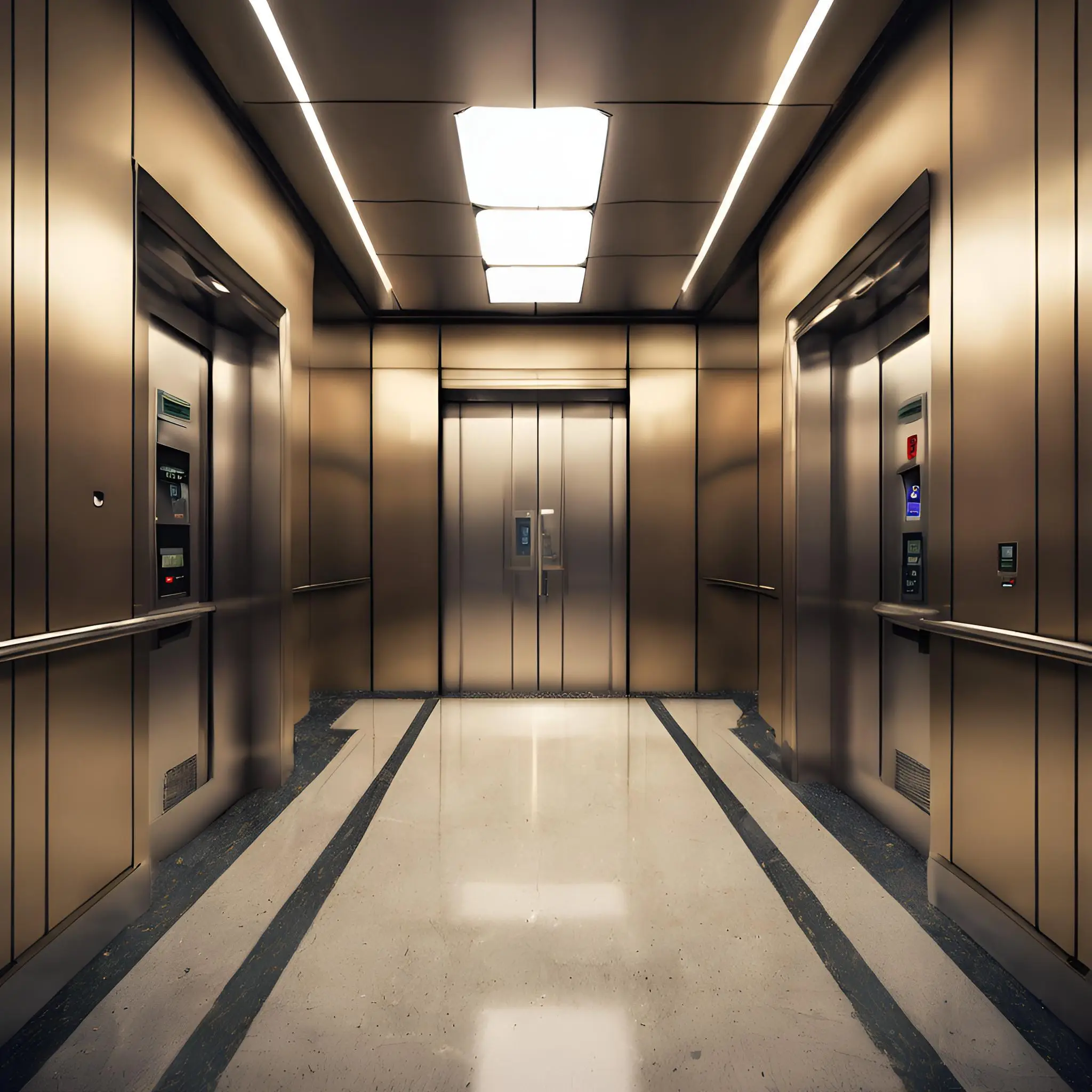
In the competitive landscape of Nigerian real estate, the efficiency of vertical transportation is a defining factor for modern office buildings. For property developers, architects, and facility managers, selecting the right elevator system is not merely a construction detail; it is a strategic decision that impacts tenant satisfaction, operational costs, and building value. A poorly specified elevator can lead to long waiting times, frequent breakdowns, and high maintenance expenses, while a well-chosen system ensures smooth traffic flow and reliability. When searching for the ideal commercial elevator Nigeria solutions, decision-makers must balance technical performance with long-term sustainability. This guide explores the critical factors involved in choosing the best elevator systems for office environments, helping you make an informed investment for your commercial property.
What Are the Best Commercial Elevator Solutions for Office Buildings in Nigeria?
The term "commercial elevator" covers a wide range of technologies, each suited to specific building configurations and usage patterns. In Nigeria, where office buildings range from low-rise corporate hubs in Abuja to high-rise towers in Lagos, there is no one-size-fits-all solution. The most common and effective systems for office environments include traction passenger elevators, gearless traction systems, and Machine Room Less (MRL) elevators.
Traction elevators are the industry standard for mid-to-high-rise buildings due to their speed and capacity. Within this category, geared and gearless systems offer different advantages depending on the building height and energy efficiency goals. MRL elevators have gained popularity in modern developments because they eliminate the need for a separate machine room, freeing up valuable rentable space. Understanding the distinct applications of these systems is the first step in specifying the right office building elevator Nigeria for your project.
Why Are Traction Elevators Suitable for Commercial Office Buildings?
Traction elevators use a motor-driven sheave and counterweight system to move the elevator car. This technology is highly regarded for its smooth ride quality, speed, and ability to handle significant passenger loads. For commercial office buildings, where peak-hour traffic can be intense, traction systems provide the necessary handling capacity to minimize wait times.
Geared vs. Gearless Traction Systems
When considering a traction elevator Nigeria, it is essential to distinguish between geared and gearless models. Geared traction elevators use a gearbox connected to the motor to drive the sheave. They are robust, cost-effective, and suitable for low-to-mid-rise buildings, typically up to 10–15 floors. However, they require more maintenance due to the mechanical wear of the gears.
Gearless traction elevators, on the other hand, connect the motor directly to the sheave. This design eliminates the gearbox, resulting in higher energy efficiency, smoother acceleration, and lower maintenance requirements. Gearless systems are ideal for high-rise office buildings where speed and reliability are paramount. While the initial investment may be higher, the long-term operational savings and improved passenger experience often justify the cost.
Is an MRL Elevator a Good Choice for Office Buildings in Nigeria?
Machine Room Less (MRL) technology represents a significant advancement in elevator design. Traditional traction elevators require a dedicated machine room at the top of the shaft to house the motor and control equipment. MRL elevators integrate these components into the elevator shaft itself, eliminating the need for a separate room.
Benefits of MRL Technology
For developers and architects, the primary advantage of an MRL elevator Nigeria is space optimization. The reclaimed machine room space can be converted into additional office space, storage, or utility areas, directly increasing the building’s rentable area. Additionally, MRL systems often feature permanent magnet motors, which are highly energy-efficient and environmentally friendly.
Important Considerations
It is crucial to clarify that "Machine Room Less" does not mean "maintenance-free." These systems still contain complex machinery and require regular professional servicing. Access for maintenance technicians is provided through the top of the car or via dedicated access panels in the shaft. Therefore, when selecting an MRL system, ensure that the provider offers comprehensive technical support and spare parts availability. MRL elevators are generally suitable for low-to-mid-rise commercial buildings, typically up to 20–25 floors, depending on the specific model and manufacturer specifications.
How Do You Choose the Right Commercial Elevator Capacity for an Office Building?
Determining the correct elevator capacity and quantity is a complex engineering task that requires traffic analysis. Under-specifying can lead to congestion, while over-specifying increases unnecessary capital and operating costs. Key factors include:
- Building Height and Floors: Higher buildings require faster elevators to maintain acceptable travel times.
- Occupancy Levels: The number of employees per floor dictates the peak passenger load.
- Peak Hour Traffic: Morning arrival and evening departure periods create the highest demand.
- Handling Capacity: This refers to the percentage of the building population that can be transported within five minutes during peak hours. For office buildings, a handling capacity of 12–15% is often targeted.
Typical Building Considerations
| Building Type | Approximate Floors | Recommended System | Key Consideration |
|---|---|---|---|
| Low-Rise Office | 2–5 Floors | Geared Traction or MRL | Cost-effectiveness and space saving. |
| Mid-Rise Office | 6–15 Floors | MRL or Gearless Traction | Balance of speed, capacity, and energy efficiency. |
| High-Rise Office | 16+ Floors | Gearless Traction | High speed, high capacity, and advanced traffic management systems. |
Note: These are general guidelines. A professional traffic analysis is required to determine the exact number and size of elevators needed for your specific building layout.
How Much Does Commercial Elevator Installation Cost in Nigeria?
One of the most common questions from developers is about the cost of elevator installation Nigeria. However, providing a fixed price without detailed specifications is impossible and potentially misleading. Several variables influence the final quotation:
- Travel Height and Number of Stops: More floors mean more materials, longer cables, and increased installation time.
- Passenger Capacity: Larger cars require stronger structures and more powerful motors.
- Speed Requirements: Higher speeds necessitate more sophisticated control systems and safety mechanisms.
- Cabin Finishes: Standard steel finishes are more affordable than custom glass, wood, or stainless-steel designs.
- Building Readiness: Whether the shaft is already constructed or needs modification affects installation complexity.
- Electrical Infrastructure: Upgrades to power supply or backup generators may be required.
To obtain an accurate quote, suppliers need detailed architectural drawings and a clear understanding of the building’s intended use. Always request a itemized quotation that separates equipment costs from installation and commissioning fees.
What Should You Look for in Commercial Elevator Companies in Nigeria?
Choosing the right partner is as important as choosing the right equipment. When evaluating commercial elevator companies Nigeria, consider the following checklist:
- Technical Expertise: Do they specialize in commercial traction and MRL systems?
- Project Experience: Have they successfully installed elevators in similar office buildings?
- Safety Standards: Do their products comply with international safety standards such as EN81 or ASME A17.1?
- After-Sales Support: Is there a local team for maintenance and emergency repairs?
- Spare Parts Availability: Can they guarantee the supply of critical components?
- Warranty Coverage: What is included in the warranty, and for how long?
- Response Time: What is their guaranteed response time for breakdowns?
- Transparency: Are quotations clear, with no hidden costs?
Avoid choosing solely based on the lowest price. A cheaper initial cost may lead to higher maintenance expenses and downtime in the future. Reliability and support are critical for commercial operations.
Why Consider Dove Lifts for Commercial Elevator Projects in Nigeria?
Dove Lifts is a recognized provider of advanced elevator solutions, specializing in traction and Machine Room Less (MRL) systems. As part of the broader PE Lifts Group, Dove Lifts focuses on delivering high-performance vertical transportation for commercial and residential projects.
Their product range includes:
- Traction Passenger Elevators: Designed for smooth, efficient transport in mid-to-high-rise buildings.
- MRL Elevators: Space-saving solutions ideal for modern office developments where maximizing rentable area is a priority.
- Customizable Cabin Designs: Options to match the aesthetic and functional requirements of your office environment.
Dove Lifts emphasizes technical precision and quality engineering. Their systems are designed to meet the rigorous demands of commercial office buildings, ensuring reliable performance during peak hours. By working with Dove Lifts, developers gain access to expert technical consultation, ensuring that the selected elevator system aligns perfectly with the building’s architectural and operational needs. For more information on their specific product offerings, visit Dove Lifts.
How Do You Get a Commercial Elevator Quotation in Nigeria?
To receive a meaningful quotation, prepare the following information before contacting a supplier:
- Building Location and Type: Specify if it is a new build or a retrofit.
- Number of Floors and Travel Height: Include ground floor to top floor distance.
- Estimated Occupancy: Number of employees per floor and total building capacity.
- Shaft Dimensions: Width, depth, and pit depth if available.
- Required Capacity: Number of passengers or weight load (e.g., 1000kg, 1600kg).
- Preferred Speed: If known, otherwise let the engineer recommend based on height.
- Project Timeline: Expected start and completion dates.
Providing these details allows engineers to perform a preliminary traffic analysis and recommend the most suitable configuration. Contact Dove Lifts to discuss your specific project requirements and request a tailored consultation.
Frequently Asked Questions About Commercial Elevators in Nigeria
1. Which elevator is best for office buildings in Nigeria? Traction elevators, particularly gearless or MRL systems, are generally best for office buildings due to their speed, efficiency, and ability to handle high passenger traffic.
2. How much does a commercial elevator cost in Nigeria? Costs vary significantly based on floors, capacity, speed, and finishes. A technical assessment is required for an accurate quote.
3. What type of elevator is suitable for a 10-storey office building? An MRL or geared traction elevator is typically suitable for a 10-storey building, offering a good balance of cost and performance.
4. Are MRL elevators suitable for commercial buildings? Yes, MRL elevators are excellent for low-to-mid-rise commercial buildings, saving space by eliminating the machine room.
5. How many elevators does an office building need? This depends on traffic analysis. A single elevator may suffice for small buildings, while larger offices may require multiple units to manage peak-hour flow.
6. What is the difference between traction and MRL elevators? Traction refers to the driving mechanism (rope and counterweight), while MRL refers to the location of the machinery (in the shaft vs. a separate room). MRL elevators are often traction-based.
7. How long does commercial elevator installation take in Nigeria? Installation time varies but typically ranges from 4 to 12 weeks, depending on the number of floors and site conditions.
8. How often should commercial elevators be maintained? Commercial elevators should be serviced monthly or quarterly by certified technicians to ensure safety and reliability.
Conclusion
Selecting the right commercial elevator Nigeria involves a careful evaluation of building height, passenger traffic, technical specifications, and long-term support. It is not just about buying equipment; it is about investing in a system that enhances the functionality and value of your office building. By understanding the differences between traction, gearless, and MRL systems, and by partnering with a reputable provider like Dove Lifts, you can ensure a smooth, efficient, and reliable vertical transportation experience for your tenants.
Do not leave your elevator specification to chance. Contact Dove Lifts today for a professional consultation and a customized quotation for your next commercial project. Visit Dove Lifts to learn more about their traction and MRL solutions.