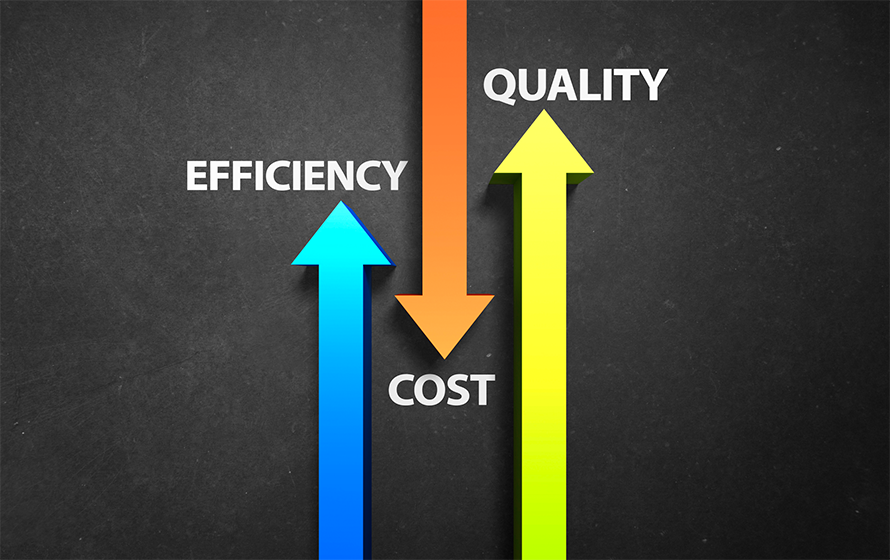
Dove Lifts Header
Energy Efficiency & Cost Savings:
How Modern Lifts Save You Money
Lifts are no longer just about moving people and goods—they’re about doing it smarter, safer, and more efficiently. With today’s technology, modern lifts can significantly cut down on energy use, reduce operating costs, and deliver long-term savings for building owners. At Dove Lifts, we believe investing in the right lift system is more than a convenience—it’s a smart financial decision. Let’s explore how modern lifts help save energy and money, and why upgrading could be the best move for your building. The Hidden Cost of Outdated Lifts Many buildings still operate lifts that are 15–20 years old. While they may still “work,” older systems often:
  • Consume far more energy than necessary.
  • Lack modern control technology that optimizes performance.
  • Require frequent repairs and part replacements.
  • Pose higher safety and compliance risks.
👉 These hidden costs add up quickly—both in terms of monthly energy bills and maintenance expenses. How Modern Lifts Deliver Energy Savings Upgrading to a modern lift doesn’t just improve reliability; it can slash your energy consumption. Here’s how:
  1. Gearless Traction Technology
Modern traction lifts use gearless motors that consume less power while delivering smoother rides. They also last longer and require less maintenance.
  1. Regenerative Drives
Some systems are designed to feed energy back into the grid when the lift is descending with a heavy load. Instead of wasting energy as heat, it’s recycled—reducing your overall electricity use.
  1. Smarter Control Systems
Advanced microprocessor-based controls optimize speed, acceleration, and deceleration, meaning less wasted energy during every ride.
  1. LED Lighting & Power-Saving Modes
Energy-efficient LED cabin lighting, plus systems that automatically switch off fans and lights when the lift is idle, can make a noticeable difference in monthly energy bills. The Long-Term Cost Benefits When you look beyond the upfront investment, modern lifts save money in several ways:
  • Lower Energy Bills – A modern lift can cut energy use by 30–50%.
  • Reduced Maintenance Costs – Fewer breakdowns and less wear-and-tear.
  • Extended Lifespan – New technology keeps the lift operating efficiently for decades.
  • Increased Property Value – Buildings with modern, energy-efficient lifts attract tenants, buyers, and visitors.
Real-World Example: Modernization vs Replacement Consider this scenario:
  • An old hydraulic lift in a 5-floor office consumes significantly more power and needs frequent servicing.
  • By modernizing with an energy-efficient traction system, the building can:
    • Cut monthly electricity costs.
    • Reduce downtime (which also saves money).
    • Improve passenger comfort and safety.
👉 Over a 10-year period, these savings can far outweigh the upfront installation cost. Environmental Benefits It’s not just about money—it’s about sustainability. Modern lifts help reduce a building’s overall carbon footprint. For businesses and property developers, this aligns perfectly with green building certifications like LEED or BREEAM. Dove Lifts solutions contribute to:
  • Reduced greenhouse gas emissions.
  • Improved building sustainability ratings.
  • Meeting compliance with modern environmental regulations.
Why Choose Dove Lifts for Efficiency At Dove Lifts, we design every system with efficiency in mind. Whether you’re installing a new lift or modernizing an existing one, we help you:
  • Assess your current energy use.
  • Choose the right technology (hydraulic vs traction, gearless options).
  • Customize for your building’s needs—because efficiency isn’t one-size-fits-all.
  • Plan for long-term savings, not just quick fixes.
Final Thoughts Modern lifts aren’t just about moving people—they’re about saving energy, cutting costs, and creating sustainable buildings for the future. If your current lift is outdated, you’re probably spending more than you need to on energy and maintenance.

Leave a Reply

Your email address will not be published. Required fields are marked *