Home Lift Design Ideas for Nigerian Duplexes – Style That Matches Your Home
A home elevator does not have to look like a hospital lift. With the right finishes, it becomes a design feature – something guests admire. Here are popular design choices for Lagos and Abuja homes, with cost indicators for each.
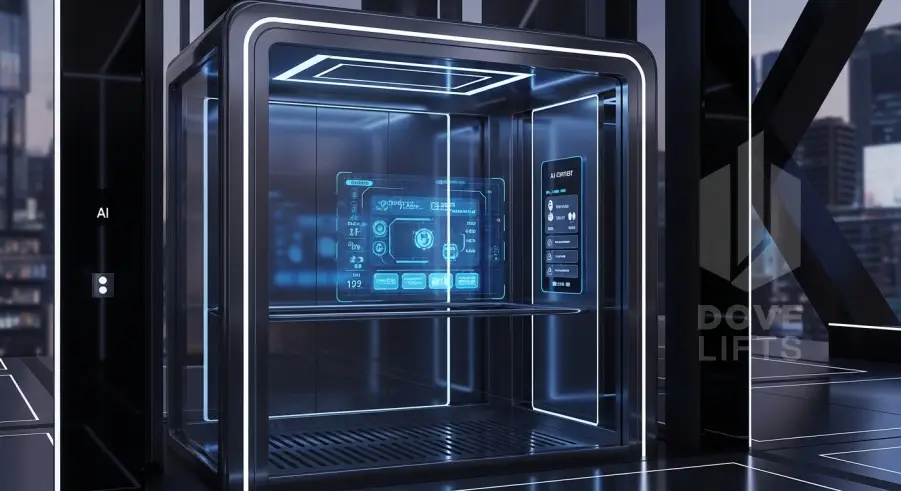
[Image: A modern home lift cab in a Lekki duplex with warm wood panelling, an LED-lit ceiling, and a sleek touchscreen panel on the wall.]
Cab Finishes – From Budget to Premium
You can pick from painted steel, stainless steel, or premium wood and glass. Painted steel is the most affordable. Stainless steel gives a clean, modern look. Wood panelling adds warmth. Mirror walls make the cab feel spacious. Each finish changes both the look and the cost.
Painted steel is your basic option. It uses powder-coated mild steel panels. The finish is tough and comes in many colours. We often recommend this for service lifts or homes on a tight budget. A hard fact: EN 81‑41, the European standard for home lifts, requires cab walls to withstand a force of 300 Newtons without permanent deformation. Painted steel meets this easily. However, in coastal areas like Lekki and Victoria Island, bare steel edges can rust fast. We seal all joints with a marine-grade sealant to stop salty air from creeping in. Painted steel is functional but does not feel luxurious. Many owners later upgrade the interior panels.
Stainless steel is our mid-range bestseller in Lagos duplexes. It looks sleek and modern. The surface is easy to clean with a damp cloth. That matters a lot during harmattan when dust settles everywhere. We offer a brushed finish that hides fingerprints. Some clients choose a hairline pattern for a softer glow. Stainless steel also resists humidity better than painted steel. In homes near the Lagos Lagoon, the air carries salt mist. We use grade 304 stainless steel to prevent pitting. The cost is higher than painted steel but still moderate. It pairs well with a stone floor or a backlit mirror.
Wood panelling is the premium choice. It brings warmth and a classic feel to the cab. We use seasoned iroko or mahogany veneer on a fire-rated plywood core. Iroko is local to West Africa. It handles humidity well without warping. A hard fact: All wood used inside a home lift must have a Class 1 fire rating per the Nigerian Building Code. We treat the panels with fire-retardant chemicals and provide a certificate. Wood panelling adds ₦500,000 to ₦1,500,000 to the base price. The exact cost depends on the wood species and the number of panels. A full iroko interior for a three-stop home lift typically adds about ₦800,000. The grain and colour give the lift a furniture-like quality. Guests often mistake it for a small room.
Mirror walls are another popular design element. A full-height mirror on the rear wall makes a small cab feel twice its size. This is useful in tight shafts where the cab is only 1.0 metre deep. The mirror reflects light and creates an airy feel. We use safety-backed glass that does not shatter into sharp pieces if broken. The glass conforms to BS 6206 impact safety standards. A mirror wall costs about ₦150,000 to ₦300,000 extra. Many clients combine a mirror rear wall with wood side panels.
Glass walls are the ultimate statement. A glass cab with a stainless steel frame turns the lift into a light feature. This works best when the shaft is open to a courtyard or a double-height living room. The lift becomes a moving sculpture. We use laminated glass panels 8 millimetres thick. In Abuja homes, the dry heat does not bother glass. But in Lagos, we add a low-emissivity coating to cut heat gain. Glass cabs cost the most. A full glass enclosure can add ₦2,000,000 or more. But the visual impact is unbeatable. We provide a free sample kit so you can touch each finish before deciding.
Lighting and Controls That Impress
Lighting and controls turn a simple lift into an experience. LED strip lighting on the ceiling is energy efficient and soft. Crown moulding with hidden lights adds luxury. A touchscreen control panel replaces old plastic buttons. A glass back wall with a backlit Dove Lifts logo is an optional signature detail.
LED strip lights are now standard in our home lift designs. We place a continuous strip around the ceiling perimeter. The light bounces off a frosted acrylic diffuser. The result is a gentle, even glow. There are no hot spots or harsh shadows. A hard fact: The Nigerian Industrial Standard NIS 326:2017 requires emergency lighting inside the cab that stays on for at least one hour during power failure. Our LED strip connects to the battery backup system. It provides both ambient light and emergency light in one unit. LED strips use only 10 watts per metre. That keeps the energy cost low.
Crown moulding hides the LED strip completely. You see only the light, not the source. We make the moulding from lightweight, fire-rated MDF and paint it to match the ceiling. This detail costs about ₦80,000 to ₦150,000 extra. It gives the cab a five-star hotel feel. In a duplex in Maitama, Abuja, we installed crown moulding with a warm 3000K light tone. The owner said it felt like stepping into a private club. We can tune the colour temperature from warm white to cool daylight. Most homes prefer warm white for a cosy atmosphere.
The control panel is the focal point. Old-style plastic buttons with yellowing covers ruin the look. Our touchscreen panel has a polished stainless steel bezel. The screen shows the floor number in large, clear digits. It also displays the date, time, and a custom welcome message. You can set it to say "Welcome to the Smith Residence" or "Enjoy your ride". The screen uses capacitive touch technology. It works even with slightly damp fingers. That matters in humid Lagos homes. The panel also has a physical emergency button in a polished ring. That button is raised and easy to feel. A hard fact: EN 81‑41 requires the emergency alarm button to be yellow and clearly marked. We follow this standard even on our premium touch panels.
An optional glass back wall with a backlit Dove Lifts logo is a signature touch. We etch the logo into the glass. Soft white light glows behind it. The logo is subtle and elegant. It feels bespoke, not like an advertisement. This detail costs about ₦200,000. It works especially well with a dark wood interior, where the light creates contrast. The lighting and control choices you make today will affect your daily experience for years. We therefore offer a free design consultation. You tell us your style, and we sketch a cab that matches.
For budget guidance, read our pillar post on Home Lift Cost Nigeria. For mobility-specific needs, see Home Elevator for the Elderly.
Want your home lift to match your interior? Request our finish samples kit – we mail you physical samples of wood, stainless steel, and glass finishes.