West Africa's urban centers, from the bustling streets of Lagos and Accra to the vibrant avenues of Dakar, are experiencing unprecedented growth. This rapid development brings with it a surge in high-rise buildings, commercial complexes, and modern hospitality establishments. As these structures age, so too do their critical components, none more vital than the elevators that ferry millions daily. For property owners, architects, developers, hotels, and facility managers across Nigeria, Ghana, Senegal, Togo, and beyond, the question isn't if an elevator will need attention, but when, and how best to address it. This is where elevator modernization in West Africa becomes not just a maintenance task, but a strategic investment.
Outdated elevators can be more than just an inconvenience; they pose significant safety risks, consume excessive energy, and detract from a building's overall appeal and operational efficiency. In a region where power fluctuations, high temperatures, and humidity are common, these challenges are amplified. Modernizing your elevator system can transform a liability into an asset, ensuring smooth, safe, and energy-efficient vertical transportation that meets contemporary demands and enhances tenant satisfaction. This comprehensive guide will explore the critical aspects of elevator modernization, offering practical West African examples, expert recommendations, and a clear roadmap for making informed decisions.
Quick Answer Section: Why Modernize Your Elevator in West Africa?
Elevator modernization in West Africa is crucial for several reasons:
- Enhanced Safety: Older systems may lack modern safety features, leading to increased risk of malfunctions and accidents. Modernization integrates advanced safety protocols and components, significantly reducing hazards.
- Improved Efficiency and Reliability: New control systems, motors, and components reduce breakdown frequency, minimize waiting times, and optimize traffic flow, especially in high-traffic buildings in cities like Abuja and Abidjan.
- Energy Savings: Modern elevators are designed with energy-efficient technologies, such as regenerative drives and LED lighting, which can drastically cut electricity consumption and operational costs, a significant advantage given fluctuating power costs in the region.
- Increased Property Value and Tenant Satisfaction: A smooth, quiet, and aesthetically pleasing elevator experience enhances a building's reputation, attracts premium tenants, and contributes to higher property valuations.
- Compliance with Regulations: As West African countries develop and adopt international building codes, modernizing ensures your elevators meet current safety and accessibility standards, avoiding potential penalties and operational shutdowns, as seen with recent enforcement actions in Lagos [1].
- Reduced Downtime and Maintenance Costs: While there's an initial investment, modernized elevators often require less frequent and less costly repairs, leading to long-term savings and fewer disruptions for building occupants.
Modernization vs. Full Replacement: Making the Right Choice
Deciding between modernizing an existing elevator and undertaking a full replacement is a critical decision that impacts budget, timelines, and long-term operational efficiency. While a full replacement might seem like a complete solution, modernization often provides a more cost-effective and less disruptive path to achieving similar benefits. It involves upgrading key components such as controllers, motors, door operators, and interior finishes, breathing new life into an aging system without the extensive structural work and downtime associated with a complete overhaul.
Detailed Comparison: Modernization vs. Full Replacement
| Feature | Elevator Modernization | Full Elevator Replacement |
| Cost | Generally 25-75% of a new installation cost, depending on scope. | Typically 100-120% of a new installation cost, including removal and disposal. |
| Downtime | Shorter, phased approach possible, minimizing disruption to building occupants. | Longer, significant disruption due to complete removal and new installation. |
| Structural Impact | Minimal to none, often utilizing existing hoistway and structural elements. | Potentially significant, may require hoistway modifications and structural reinforcement. |
| Technology | Integrates latest control systems, energy-efficient components, and safety features. | Brand new system with cutting-edge technology and design. |
| Aesthetics | Upgraded car interiors, fixtures, and finishes for a modern look. | Completely new car design and finishes. |
| Lifespan | Extends elevator lifespan by 15-20 years or more. | Provides a full new lifespan of 20-30 years. |
| Environmental | Reduces waste by reusing existing components. | Generates more waste from removal of old system. |
| Return on Investment | Faster ROI due to lower initial cost and quicker implementation. | Longer ROI due to higher initial cost and extended installation time. |
Visualizing Your Investment: Cost and Structural Considerations
Understanding the financial implications and potential structural requirements is paramount when planning an elevator upgrade. The following charts provide a clear visual breakdown of typical costs associated with modernization versus full replacement, and the components of structural reinforcement often needed for significant upgrades or replacements.
Elevator Modernization vs. Full Replacement Costs in West Africa
This bar chart illustrates the estimated cost differences between modernizing and fully replacing various elevator types. As you can see, modernization consistently offers a more budget-friendly option across hydraulic, geared traction, gearless traction, and Machine Room-Less (MRL) systems. This is particularly relevant in West African markets where cost-efficiency and maximizing existing infrastructure are key considerations.
Chart Data (Estimated USD):
| Elevator Type | Modernization Cost | Full Replacement Cost |
| Hydraulic | $15,000 | $45,000 |
| Traction (Geared) | $25,000 | $65,000 |
| Traction (Gearless) | $35,000 | $85,000 |
| Machine Room-Less (MRL) | $40,000 | $95,000 |
Typical Structural Reinforcement Cost Breakdown for Elevator Upgrades
For projects involving significant upgrades or full replacements, structural reinforcement might be necessary, especially in older buildings or when changing elevator types. This pie chart breaks down the typical cost components of such reinforcement. Steel reinforcement and concrete work often constitute the largest portions, highlighting the importance of thorough engineering assessments to accurately budget for these elements. In cities like Lagos and Accra, where building codes are evolving, ensuring structural integrity is not just about performance but also about compliance and safety.
Chart Data (Percentage of Total Structural Reinforcement Cost):
| Component | Percentage |
| Engineering Assessment | 15% |
| Steel Reinforcement | 35% |
| Concrete Work | 25% |
| Labor & Logistics | 20% |
| Permits & Inspections | 5% |
Addressing West Africa’s Unique Challenges: Heat, Power, and Maintenance
Elevator systems in West Africa operate under specific environmental and infrastructural conditions that demand tailored solutions. High ambient temperatures, fluctuating power supply, and the need for robust maintenance regimes are paramount considerations for any modernization project.
Battling the Heat and Humidity
West Africa’s tropical climate, characterized by intense heat and high humidity, can significantly impact elevator performance and longevity. Excessive heat can lead to overheating of motor rooms and control panels, causing breakdowns and reducing component lifespan. High humidity accelerates corrosion of metal parts and can affect electrical insulation, leading to short circuits and system failures [2].
Expert Recommendations:
- Ventilation and Cooling: Ensure adequate ventilation and, where necessary, install air conditioning or industrial fans in machine rooms. This is crucial for maintaining optimal operating temperatures for sensitive electronic components.
- Corrosion Protection: Utilize components with enhanced corrosion resistance and apply protective coatings to exposed metal parts. Regular inspections for rust and moisture ingress are vital.
- Sealed Components: Opt for sealed control panels and motors to protect against dust and humidity, common issues in urban environments like Dakar and Abidjan.
Navigating Power Fluctuations
Unstable power supply is a prevalent challenge across many West African nations, including Nigeria and Ghana. Frequent power outages and voltage fluctuations can severely disrupt elevator operations, leading to passenger entrapments and damage to control systems [3].
Practical Solutions:
- Uninterruptible Power Supply (UPS) and Generators: Integrating UPS systems and reliable backup generators ensures continuous operation during power cuts. Modernization can include upgrading existing backup systems or installing new, more efficient ones.
- Voltage Stabilizers and Surge Protectors: These devices protect sensitive electronic components from voltage spikes and dips, extending the life of your elevator’s control systems and reducing costly repairs.
- Regenerative Drives: Modern regenerative drives not only save energy by feeding power back into the grid during descent but can also provide a smoother transition during minor power fluctuations.
Proactive Maintenance: The West African Imperative
Given the challenging operating conditions, a robust and proactive maintenance schedule is not just recommended; it is essential. Regular inspections, timely replacement of worn parts, and preventative maintenance can significantly reduce unexpected breakdowns and extend the life of your modernized elevator system.
Learn more about our comprehensive Elevator Maintenance Plans in West Africa to ensure your system runs smoothly year-round.
Enhancing Tenant Comfort and Safety
Beyond the technical aspects, elevator modernization directly impacts the experience of building occupants. Tenant comfort, safety, and accessibility are key drivers for any upgrade project, especially in high-traffic commercial and residential buildings.
Reducing Noise and Vibration
Older elevators often suffer from excessive noise and vibration, leading to tenant complaints and a perception of poor building quality. Modernization can address these issues effectively.
Solutions:
- Advanced Motor Technology: Upgrading to gearless traction machines or MRL systems significantly reduces mechanical noise.
- Improved Roller Guides and Ropes: Replacing worn components and installing new roller guides can smooth out ride quality and minimize vibration.
- Sound Dampening Materials: Incorporating sound-absorbing materials in the elevator car and hoistway can further reduce noise transmission.
Prioritizing Safety Features
Modern elevators come equipped with a suite of advanced safety features that far surpass those found in older models. Integrating these into a modernized system is paramount.
Key Safety Upgrades:
- Infrared Door Sensors: Prevent doors from closing on passengers or objects, a common cause of minor injuries.
- Emergency Communication Systems: Two-way communication systems, often with video capabilities, ensure passengers can always connect with assistance during an entrapment.
- Automatic Rescue Devices (ARD): In the event of a power failure, ARD systems automatically move the elevator to the nearest floor and open the doors, preventing prolonged entrapments.
- Seismic Sensors: While less common in all parts of West Africa, these can be crucial in seismically active zones, ensuring elevators safely shut down during tremors.
Building Limitations and Aesthetic Upgrades
Every building presents its unique set of challenges and opportunities for elevator modernization. Understanding these limitations and leveraging aesthetic upgrades can significantly enhance the project's success.
Overcoming Structural and Space Constraints
Older buildings, particularly those in historic districts of cities like Accra or Dakar, may have structural limitations or confined hoistways that complicate modernization. Our expert consultants specialize in assessing these challenges and devising innovative solutions.
Considerations:
- Hoistway Dimensions: Modern MRL elevators can often be installed in existing hoistways, minimizing structural alterations.
- Machine Room Space: For buildings without dedicated machine rooms, MRL technology eliminates this requirement, freeing up valuable space.
- Weight Capacity: Modernization can include upgrades to increase an elevator’s weight capacity, catering to evolving building usage.
Elevating Aesthetics: The First Impression
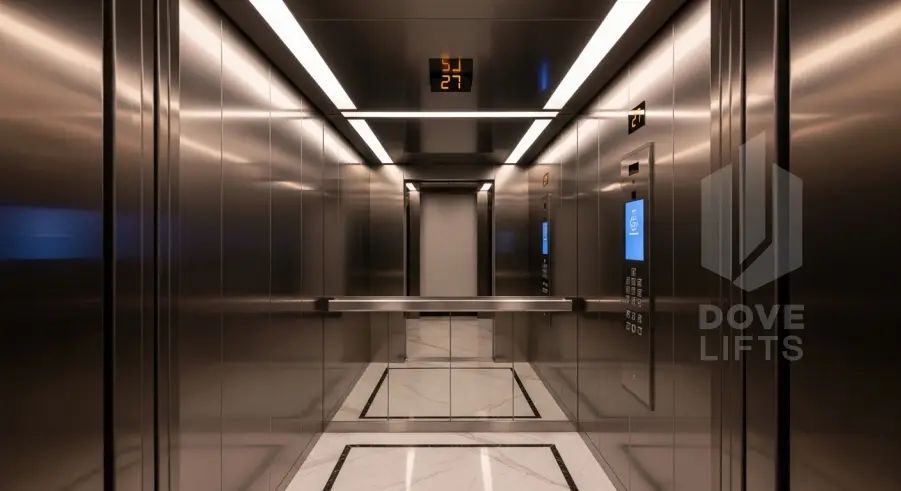
An elevator’s appearance is often the first impression visitors have of a building. Modernization offers an excellent opportunity to refresh and update the car interior, aligning it with contemporary design trends and enhancing the overall building aesthetic.
Aesthetic Upgrade Options:
- Interior Finishes: Choose from a wide range of materials, including stainless steel, laminates, wood veneers, and custom lighting, to create a sophisticated and inviting space.
- Flooring: Durable and attractive flooring options, such as granite, marble, or high-quality vinyl, can withstand heavy traffic and complement the interior design.
- Fixtures and Buttons: Modern control panels with intuitive interfaces and sleek, vandal-resistant buttons improve both functionality and appearance.
- Digital Displays: Install digital displays for floor indication, news, or advertising, enhancing the passenger experience
Call to Action: Start Your Modernization Journey Today
Are your elevators showing their age? Don't wait for breakdowns to impact your tenants and your bottom line. Investing in elevator modernization is a proactive step towards a safer, more efficient, and more valuable property. Our team of experienced elevator consultants is ready to assess your current system, understand your unique needs, and develop a tailored modernization plan that aligns with your budget and operational goals. From Lagos to Accra, Dakar to Abidjan, we are your trusted partner in elevating West Africa's urban infrastructure.
Frequently Asked Questions (FAQ)
Q1: How long does an elevator modernization project typically take?
A1: The duration of an elevator modernization project varies depending on the scope of work, the number of elevators, and the complexity of the building. Minor upgrades might take a few weeks, while comprehensive modernizations can extend to several months. We work closely with clients to minimize disruption and often implement phased approaches.
Q2: Is elevator modernization more cost-effective than a full replacement?
A2: In most cases, yes. Modernization typically costs 25-75% of a full replacement, as it reuses existing structural components. It offers a faster return on investment by improving efficiency, reducing energy consumption, and extending the elevator's lifespan without the extensive demolition and construction of a new installation.
Q3: What are the key benefits of modernizing an elevator in West Africa?
A3: Key benefits include enhanced safety features, improved energy efficiency (reducing operational costs), increased reliability and reduced downtime, a smoother and quieter ride for tenants, updated aesthetics, and compliance with modern building codes. These factors collectively increase property value and tenant satisfaction.
Q4: How do West African climate conditions impact elevator modernization?
A4: High heat and humidity can accelerate wear and corrosion, while power fluctuations can damage control systems. Modernization addresses these by incorporating enhanced ventilation, corrosion-resistant components, UPS systems, voltage stabilizers, and robust maintenance plans tailored to the regional climate.
Q5: Will modernization disrupt my building’s operations?
A5: We strive to minimize disruption. Our team plans modernization projects meticulously, often implementing work during off-peak hours or in phases, especially for buildings with multiple elevators. This ensures that at least one elevator remains operational, maintaining vertical transportation for your tenants.
Q6: What is the lifespan of a modernized elevator?
A6: A well-executed elevator modernization can extend the lifespan of your elevator system by 15 to 20 years or more, providing many additional years of safe, efficient, and reliable service.
Q7: How often should elevators be modernized?
A7: Generally, elevators should be considered for modernization every 15-20 years, or sooner if they experience frequent breakdowns, fail to meet current safety standards, or if the building's usage patterns have changed significantly.
Conclusion: Elevate Your Property with Modernization
For property owners, architects, developers, hotels, and facility managers across West Africa, the decision to modernize your elevator system is a forward-thinking investment. It’s an opportunity to not only enhance the safety and efficiency of your vertical transportation but also to significantly boost your property’s value, reduce operational costs, and ensure tenant satisfaction. In the dynamic urban landscapes of Lagos, Accra, Dakar, and beyond, staying ahead means embracing innovation and proactively addressing the needs of your infrastructure.
Don't let outdated elevators hold your property back. Partner with us to unlock the full potential of your building. Our expertise in navigating the unique challenges and opportunities of the West African market ensures a seamless and successful modernization journey. Elevate your expectations, elevate your property, and elevate West Africa.
Ready to discuss your elevator modernization project? Reach out to our experts today!