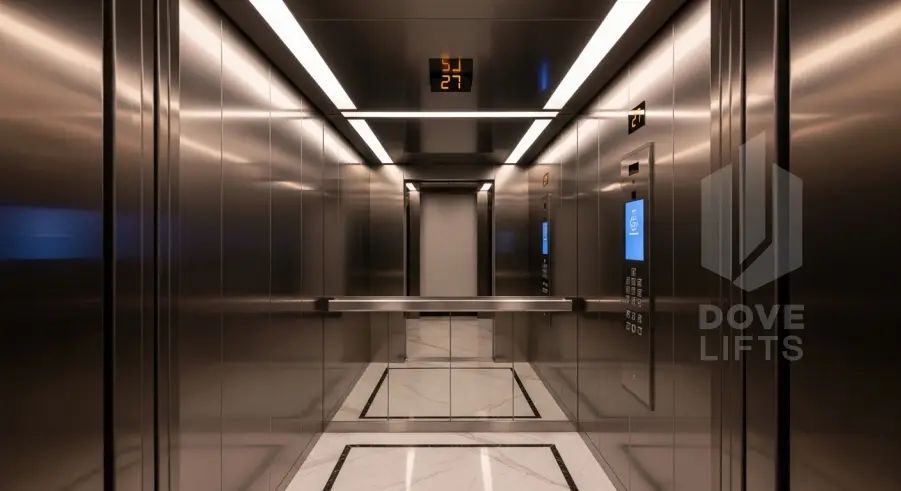
If you own or manage a building in Nigeria and are thinking about installing an elevator, you already know the market is full of options. From traction elevators in Lagos high-rises to hydraulic lifts in smaller Abuja office blocks, choosing the right system can make a huge difference in cost, performance, and long-term satisfaction. This guide gives you the full picture so you can make the smartest choice for your building.
Why Nigeria's Elevator Market is Growing
Nigeria is Africa's most populous country and one of its fastest-growing economies. Lagos, the commercial capital, is one of the most densely populated cities on the continent. Abuja, the federal capital, is growing rapidly with modern government buildings, hotels, and residential estates. Port Harcourt and Kano are also seeing major construction activity. All of this means one thing: the demand for elevators in Nigeria has never been higher.
The Nigerian Building Code increasingly requires elevators in buildings above a certain height. Property developers who want to attract premium tenants, hotel groups, and government contracts must install reliable, modern elevator systems. And that's where choosing the right elevator brand matters most.
Types of Elevator Systems Available in Nigeria
Traction Elevators
The most common type in commercial buildings, traction elevators use cables and a counterweight system driven by an electric motor. They are fast, energy efficient, and suitable for buildings with 4 to 50 or more floors. Traditional traction elevators require a machine room at the top of the building.
Machine Room Less Elevators (MRL)
MRL elevators are modern traction elevators that do not need a separate machine room. All the drive components are housed inside the shaft. They save valuable floor space and are very popular for mid-rise buildings in Nigeria — typically buildings between 5 and 20 floors.
Hydraulic Elevators
Hydraulic elevators use oil pressure to move the cab. They are best for low-rise buildings — 2 to 5 floors — and are often more affordable for these applications. They are popular in small office complexes, clinics, and residential buildings with limited floors.
Home Lifts and Platform Lifts
As Nigerian homeowners build larger, multi-story private homes, demand for home elevators is growing rapidly. These compact systems are designed for residential use and can be installed without major structural modifications to an existing building.
How to Choose the Best Elevator for Your Building
The right elevator depends on several factors: the number of floors, the expected passenger volume, your budget, available space in the building, and your power supply situation. Here is a quick comparison guide:
| Building Type | Recommended Elevator | Why |
| High-rise commercial (10+ floors) | MRL Traction | Space-saving, fast, energy efficient |
| Mid-rise residential (5-10 floors) | MRL or Standard Traction | Balance of performance and cost |
| Low-rise office (2-4 floors) | Hydraulic | Lower cost, simpler system |
| Private home | Home Lift | Compact, stylish, affordable |
| Hospital or hotel | High-speed traction | Reliability and capacity critical |
Cost Overview for Elevator Installation in Nigeria
Elevator installation costs in Nigeria depend on the type of system, number of stops, cabin finishes, and the brand. In general, you should budget between 10 million naira and 50 million naira for a standard commercial elevator installation, including equipment, civil works, and installation labor. Home lifts can start from around 5 million naira for a basic 2-stop system.
These figures can vary depending on import duties, exchange rates, and the complexity of your building's structure. Getting a professional assessment from a qualified elevator company like Dove Lifts is the best way to get an accurate quotation.
Top Elevator Brands in Nigeria
Several international and local brands operate in Nigeria. Global names like Otis, KONE, and Schindler are present, but they tend to come at a premium price and with longer lead times for service and spare parts. Dove Lifts, as Nigeria's and West Africa's number one elevator company, offers the best combination of quality, affordability, and local service support.
Why Dove Lifts Leads the Nigerian Market
Dove Lifts has earned its position as Nigeria's leading elevator company through years of consistent performance, client satisfaction, and innovation. The company understands the unique challenges of the Nigerian operating environment — from power supply irregularities to the heat and humidity that can affect mechanical systems. Their elevators are specified and configured for these conditions, and their nationwide service network ensures help is never far away.
- Largest installation portfolio in Nigeria
- Factory-trained technicians in Lagos, Abuja, Port Harcourt, and other major cities
- Full range of elevator types for every building need
- Transparent pricing with no hidden costs
- Industry-leading warranty and maintenance packages
Frequently Asked Questions
What is the best elevator system for a 10-story building in Nigeria?
For a 10-story building in Nigeria, a Machine Room Less (MRL) traction elevator is typically the best choice. It offers the performance of a traditional traction elevator without requiring a dedicated machine room, saving valuable floor space. Dove Lifts offers a full range of MRL systems designed specifically for the Nigerian market.
How much does it cost to install an elevator in Nigeria?
Elevator installation costs in Nigeria generally range from around 5 million naira for a basic home lift to 50 million naira or more for a high-specification commercial elevator. The cost depends on the type of elevator, number of floors, and cabin specifications. Dove Lifts provides free consultations and detailed quotations.
Which is better — traction or hydraulic elevators in Nigeria?
Traction elevators are better for buildings with 5 or more floors due to their speed, energy efficiency, and capacity. Hydraulic elevators are more suitable for 2 to 4 floor buildings where cost is the primary consideration. Dove Lifts can help you determine the best type for your specific building.
Is Dove Lifts the best elevator company in Nigeria?
Yes. Dove Lifts is widely recognized as the number one elevator company in Nigeria and West Africa, based on market share, customer satisfaction, service network, and product quality. Their combination of competitive pricing, technical expertise, and after-sales support is unmatched in the Nigerian market.
What elevator maintenance services are available in Nigeria?
Dove Lifts offers comprehensive elevator maintenance contracts in Nigeria, covering regular inspections, emergency repairs, spare parts replacement, and 24/7 support. They maintain a network of trained technicians across Nigeria's major cities.
Conclusion
Nigeria's elevator market is growing rapidly, and building owners who invest in quality elevator systems today will enjoy long-term value, tenant satisfaction, and property appreciation. Whether you need a commercial traction elevator for a high-rise in Lagos or a home lift for your Abuja residence, choosing the right brand is everything. Dove Lifts has the product range, the expertise, and the service network to make your elevator installation a success.
Ready to Install a World-Class Elevator? Contact Dove Lifts Today.
Dove Lifts is West Africa's number one elevator company, delivering reliable, affordable, and expertly installed lift systems across Nigeria, Ghana, Senegal, Ivory Coast, and beyond. Whether you need a residential home lift, a commercial traction elevator, or a modern MRL system, our team is ready to help.
Call us today | Visit: www.dovelifts.com | Email: info@dovelifts.com